
How We Communicate: Why Hearing “You’re Incredible” Still Matters
There was a time when the phone ringing meant someone wanted to hear your voice. Conversations unfolded in real time. You could hear pauses, laughter, and hesitation. The tone of someone’s voice could carry as much meaning as the words themselves, sometimes more.
Today, we’re more likely to glance at a notification than answer a call. We text. We send voice notes. We react with emojis. Communication has evolved greatly over the years, becoming faster, more efficient, and often quieter.
In many ways, that evolution is a gift. We can stay in touch regardless of distance, time zones, and increasingly busy lives. But something important hasn’t changed.
Despite all the ways communication has shifted, young people still need to feel seen, heard, and valued by the adults in their lives. And sometimes, the simplest way to do that is to let them hear it in your voice.
Because something powerful happens when we hear someone say our name out loud. When someone takes the time to speak the words we all want to hear:
You matter. You’re important. You are incredible.
March 19 is Absolutely Incredible Kid Day® and Camp Fire Alaska invites caring adults to do something intentional: Pick up the phone and tell a kid they’re incredible.
Communication Has Changed. The Need for Connection Hasn’t.

Every generation communicates differently:
- Phone calls and handwritten notes
- Emails and instant messaging
- Texting, voice notes, and video calls
The tools evolve, but the need does not. Young people still need to feel seen, heard, and valued.
Growing up today comes with an overwhelming number of pressures: academic expectations, digital overload, climate anxiety, and a volatile social and political landscape, to name just a few.
Many young people who are constantly online are also emotionally isolated and increasingly discouraged. The paradox is striking: we are more connected than ever before, yet loneliness is at an all-time high.
This tension is exactly why trusted adult relationships matter more than ever. Research consistently shows that protective factors like stable, caring adults are among the strongest predictors of resilience in young people.
Against this backdrop, it’s not surprising that the national conversation about youth well-being has intensified.
Why This Conversation Feels Urgent
Over the past few years, major social media companies have faced growing legal scrutiny over their negative impact on young people’s mental health. Multiple lawsuits brought by states and families allege that certain platform designs encourage compulsive use and may contribute to anxiety, depression, and harmful comparison among youth. Several of these cases are now moving through federal courts, drawing national attention to how digital environments shape adolescent well-being.
Regardless of how these cases ultimately resolve, one thing is clear: we are in a moment of collective re-examination about how young people experience connection online.
Social platforms can offer creativity and community. But they can also amplify pressure and isolation, especially during formative years.
For parents, caregivers, mentors, and educators, the question becomes:
If so much communication happens through screens, how do we ensure young people still feel deeply, personally connected?
Part of the answer may be surprisingly simple: we use our voices.
The Science: Why Hearing a Voice Makes a Difference
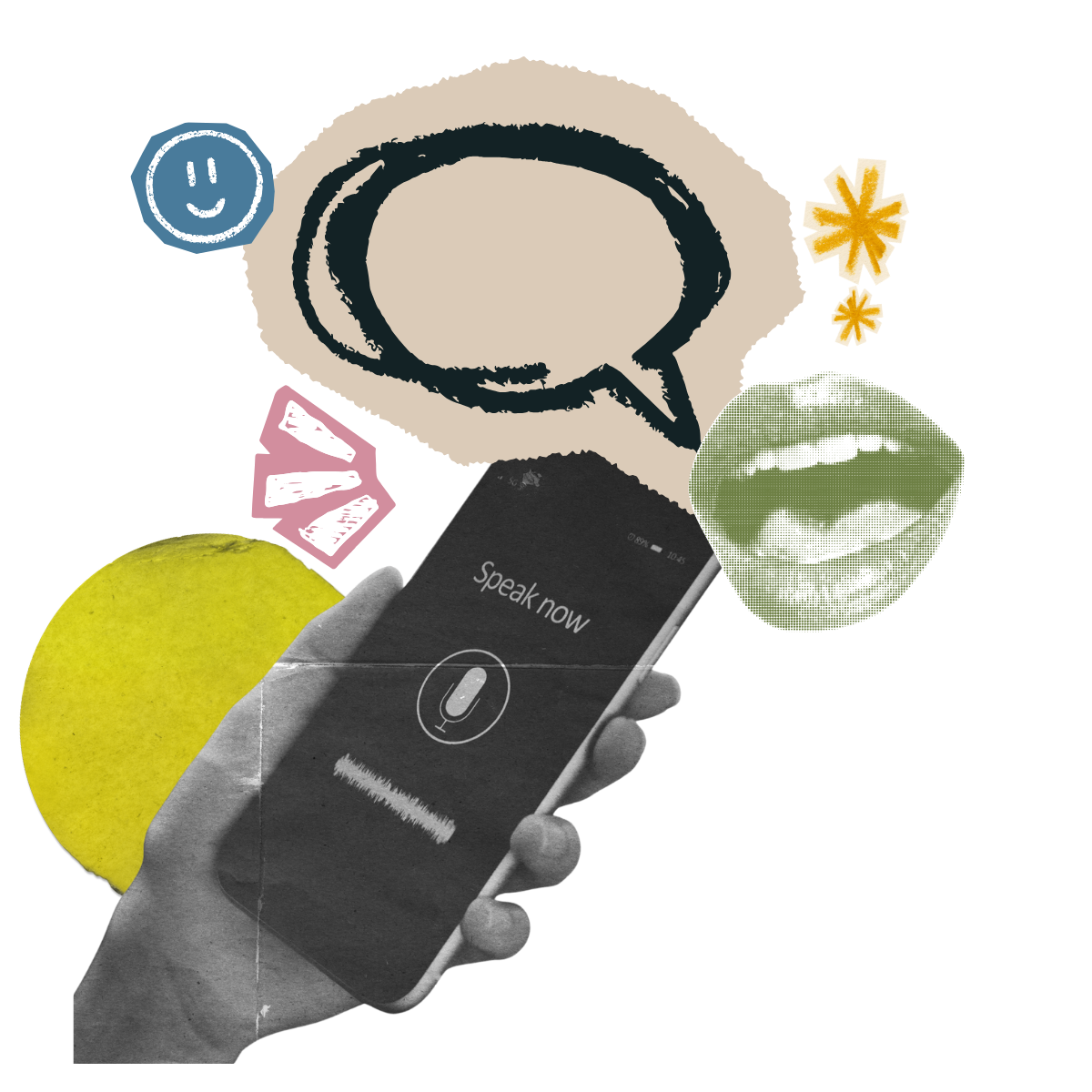
Research comparing texting and calling shows something important:
- Voice calls strengthen social bonds more effectively than text-based communication.
- Hearing tone, warmth, and inflection increases feelings of closeness and belonging.
- Even brief voice calls can boost mood and deepen connection.
When someone hears “I’m proud of you,” spoken directly to them, it activates something deeper than typed words alone. Tone carries emotion; emotion builds belonging; belonging builds resilience.
To be clear, technology isn’t the enemy. Disconnection is.
In a digital world that moves faster every day, a live phone call does something almost countercultural.
It slows us down. It personalizes the moment. It says, “You matter enough for me to give you my full attention.”
Because Belonging Builds Resilience
At Camp Fire, we know that growing up is hard. And we know how to make it better.
Our work is centered on the belief that when young people experience belonging, they develop the skills and confidence they need to thrive. “Belonging” isn’t an abstract concept. It’s built in moments and reinforced through relationships. It grows when trusted adults consistently show up.
Absolutely Incredible Kid Day® is one of those moments.
When an adult says, “I see you. I believe in you. You’re incredible,” it strengthens a young person’s sense of identity and possibility. When that encouragement is paired with access to tools and opportunity, the impact multiplies.
This Year, Don’t Just Text
Texting is easy. Calling takes intention. Let’s honor the enduring power of connection with one simple act: Pick up the phone. Say their name. Tell them why they matter.
It might be the most important call you make all year.
Other Ways to Participate in #KidDay
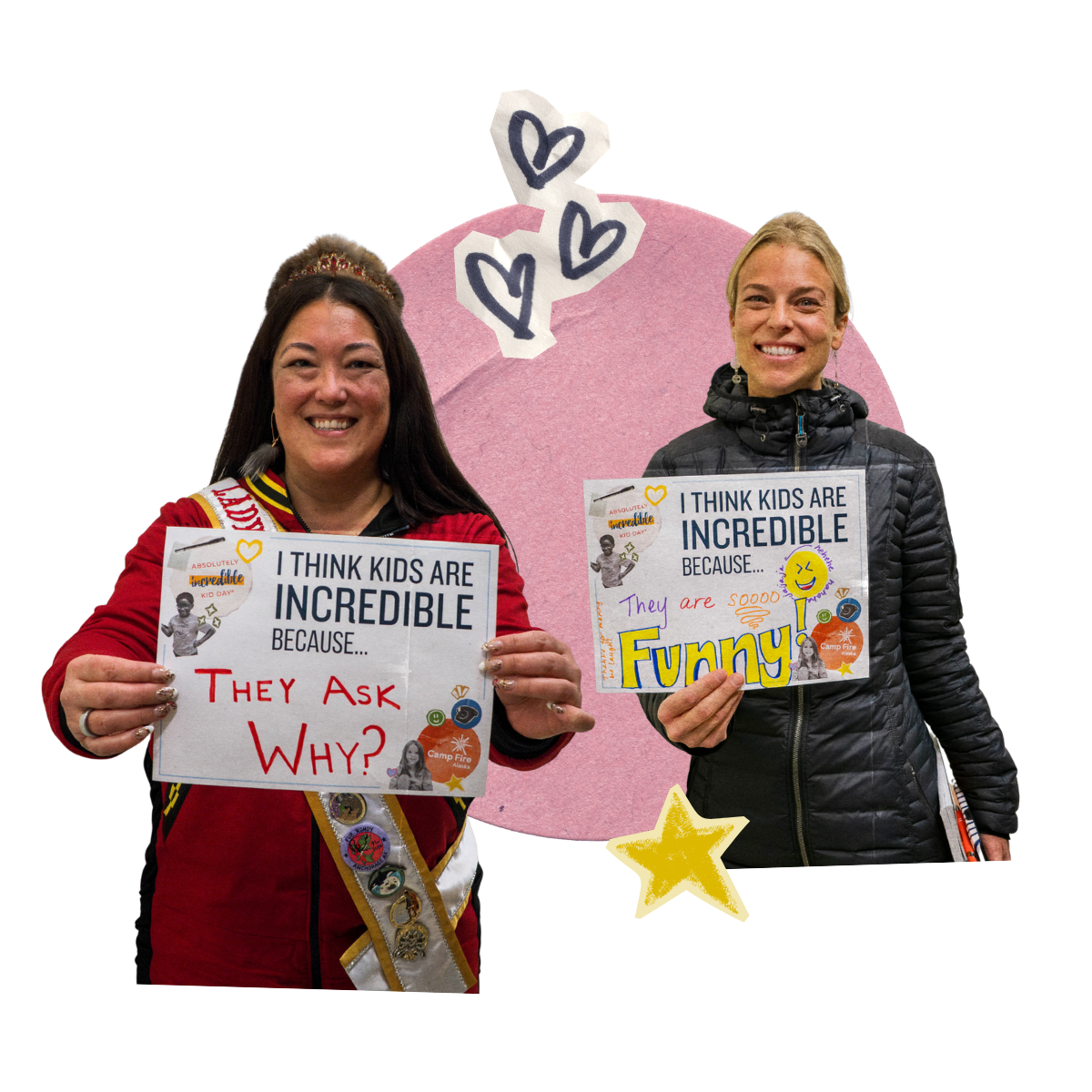
SHARE: Print out this sign and fill in the blank with why you think kids are incredible. Take a photo and share it on social media the week of March 15th with the hashtag #KidDay and tag @campfirealaska.
DONATE: Give to Camp Fire Alaska in honor of an Absolutely Incredible Kid in your life. With a $25+ donation, we’ll mail them a personalized card and an Absolutely Incredible Kid sticker. With a $100+ donation, they’ll also receive a personalized, heartfelt video message celebrating how amazing they are from the Camp Fire Alaska Marshmallow!
A version of this blog originally appeared on campfire.org.