
Partnership in Action: Spring 2026 Advocacy Recap
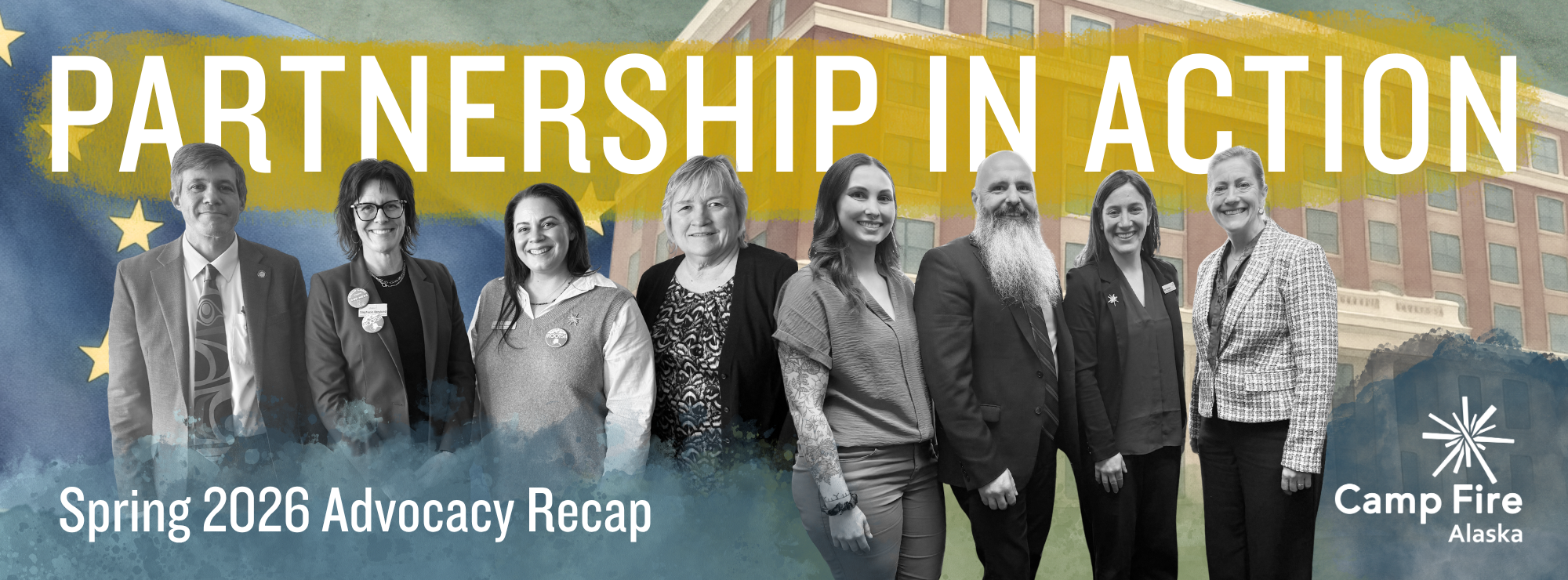
For decades, Camp Fire Alaska’s leaders have visited our elected officials in Juneau to advocate for the youth and families we serve.
In the 1960s, Executive Director Joan Hurst was one of the leading voices advocating for Alaska’s Child Care Assistance Program. Barb Dubovich kept that flame bright during her tenure as CEO, testifying to protect the program when it was at risk of being cut. The two leaders also helped pioneer and advocate for afterschool programming, licensing policy, and capital funds.
“Our mission goes beyond the four walls of our organization,” says Mel Hooper, Camp Fire Alaska CEO. “The opportunity for collective impact, and to be a part of positive change for the state is a really powerful place for Camp Fire to be partnering in and leading.”
Alongside Melissa Webber, Senior Director of Development, Mel continued Camp Fire’s legacy of advocating for the youth development and childcare sector during three legislative fly-ins to Juneau this spring.
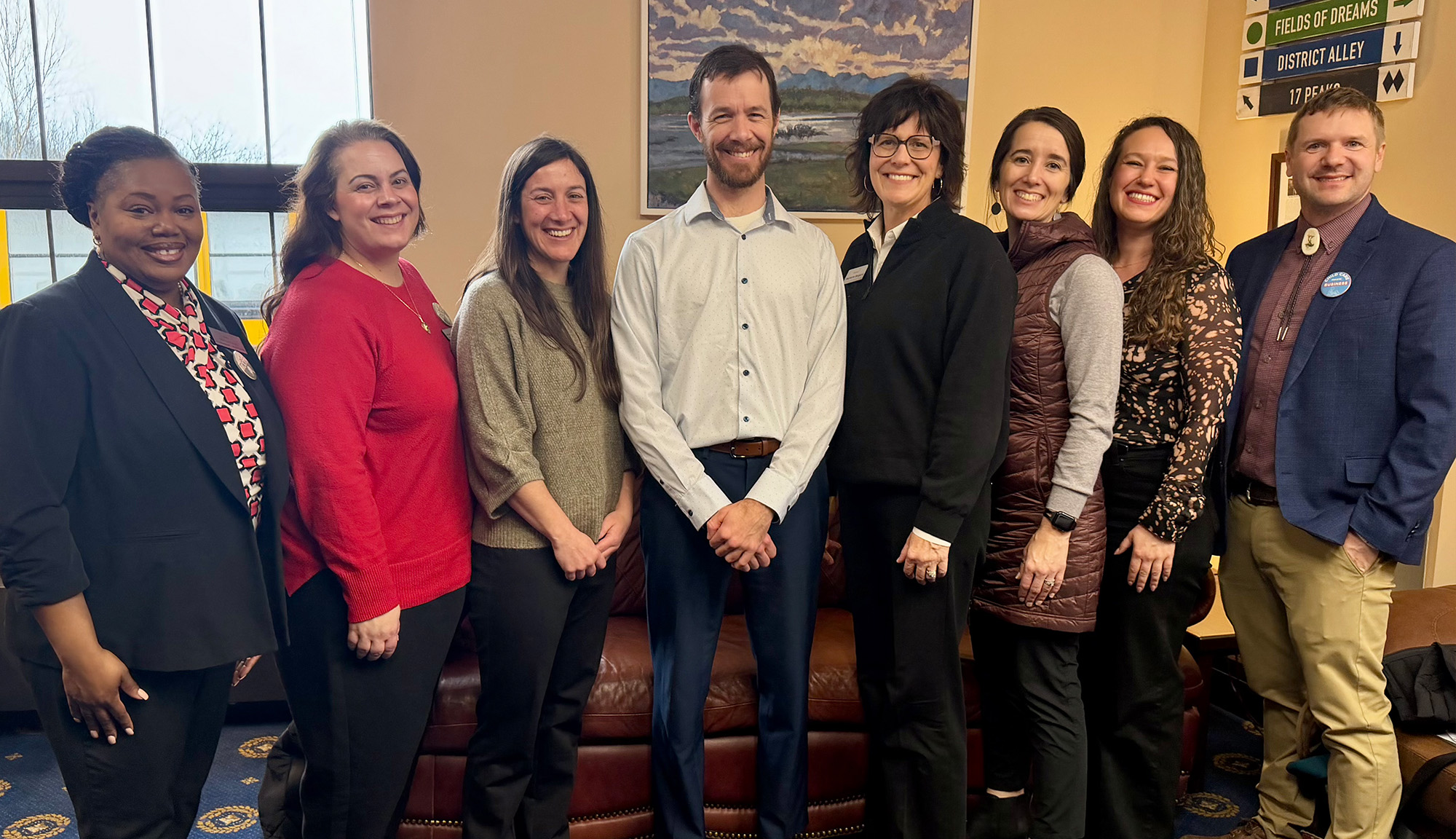
Representative Zack Fields
It’s All About Relationships
At its core, Mel explains that Camp Fire’s advocacy work is all about building and strengthening relationships. Not only with our policymakers, but with our sector partners, such as thread and Alaska Afterschool Network.
“The more coordinated we are as a system, the collective impact potential goes up,” Mel says. “We have a strong voice together to pursue change.”
thread is a resource and referral organization for early childhood education and child care. The Alaska Afterschool Network, a program of Alaska Children’s Trust, supports and advocates for afterschool programs and activities. These groups watch our local, state, and federal policymakers closely to keep the sector, and the community, informed on policy impacts and opportunities to get involved. Additionally, they host workshops and debriefs to connect advocates before and after the fly-ins.
“thread and the Alaska Afterschool Network have been key supporters of this work,” Mel says, “with dedicated and talented staff leading and supporting the sector through increased funding and policy changes. We are so grateful for their leadership in this space!”
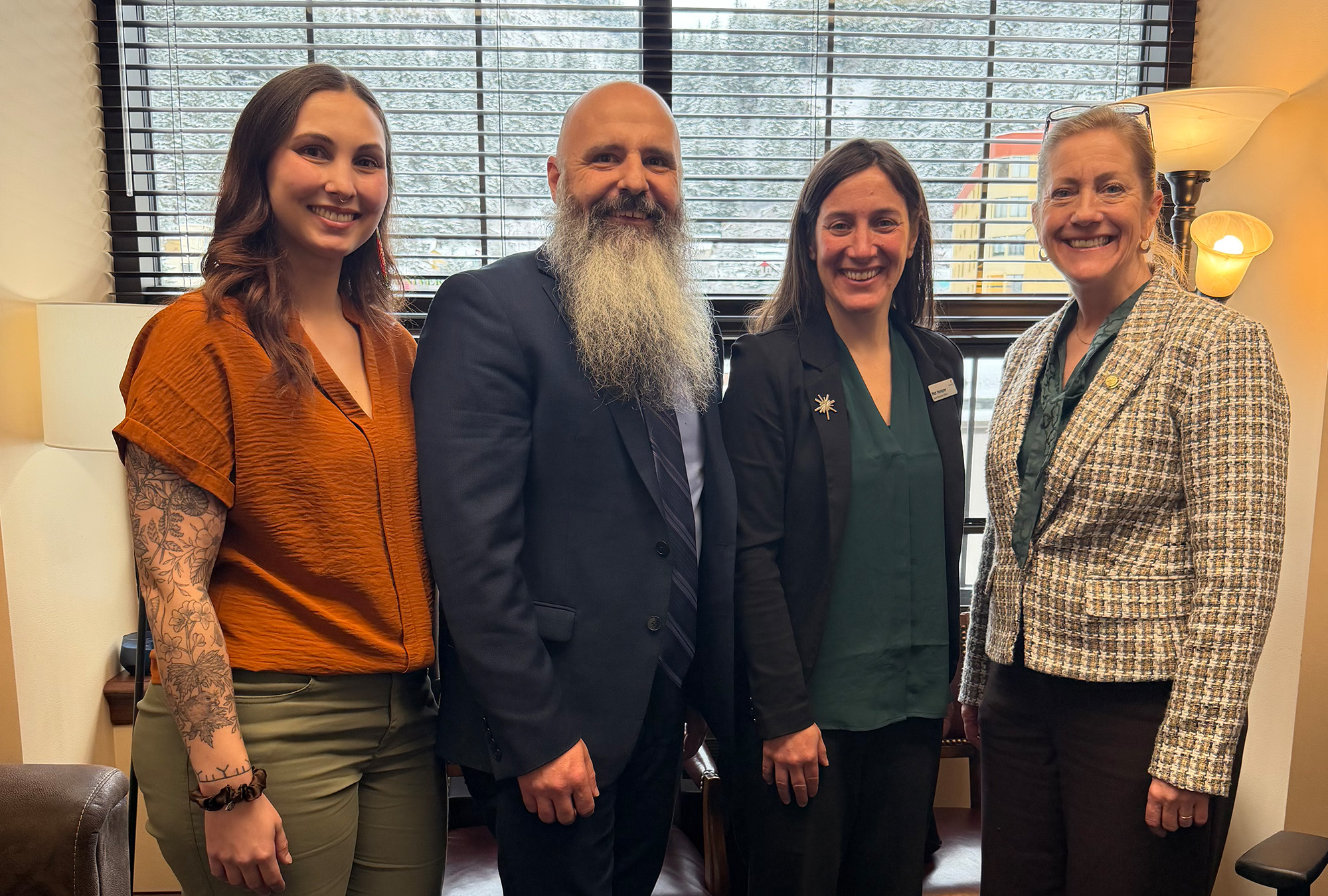
Representative Julie Coulombe
Child Care is Essential Infrastructure
Sustained and long-term investment was a key issue for our group’s discussions with legislators. Since 2020, a quarter of licensed child care providers have closed their doors in Alaska. thread’s 2023 Economic Impact Report revealed that half of Alaska families cannot fully participate in the workforce due to cost, availability, or quality of early care and education services. Mel explains how this shows child care is essential infrastructure for Alaska’s economy—a point also shared during our previous Champions for Children Breakfast.
“It’s about financial and housing stability for families,” she says. “And continued investment into the sector is necessary for the longevity of a thriving Alaska.”
This investment is not only beneficial for families with young children, but for those providing the services. Child care workers are some of the lowest-wage workers in Alaska. Yet, as thread notes in their report, they are “entrusted with children’s care and education at a critical time of development.”
“We’re trying to stabilize the workforce so the child care sector can grow,” Mel says, “and meet the family, business, and economic needs for the state.”
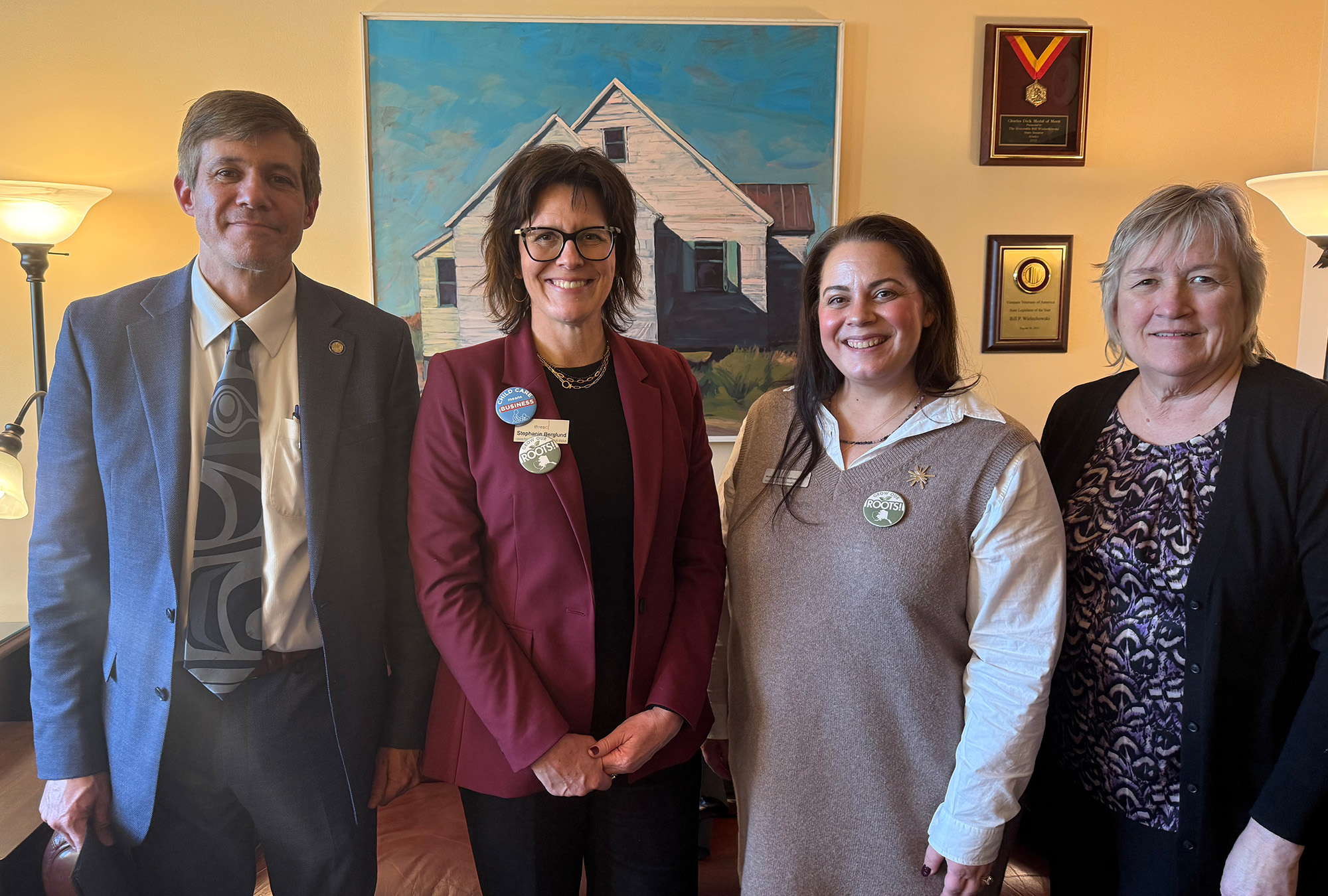
Senator Bill Wielechowski
Moving the Needle
Educating policymakers on these impacts is another goal of the fly-ins. Even if no policy or funding is passed that session, education moves the needle. These face-to-face meetings also show policymakers the expertise, care, and passion of the organizations and people behind the work.
Over the years, the conversation has shifted in our state’s capitol building because of the consistent presence of child care advocates. Across party and district lines, our elected officials are seeing the larger importance and impact of the sector in Alaska.
“Our lawmakers are people who care about the Alaskans that they serve,” Mel says. “They need their constituents’ voice, they need program voice, and they need provider voice to help them stay informed about the issues and needs of the sector.”
What You Can Do
Your voice is valuable in advocating for increased investment and resources for the child care sector. Learn how to get involved by visiting thread’s Action Center or Alaska Children’s Trust’s advocacy webpage.